exa — ten to the eighteenth powerI-4 CORRIDOR
REAL ESTATE SERVICES LLC
Real Estate & Tax Education
In Collaboration WithTHE TAX CUTTERY®

I-4 Corridor Real Estate Services LLC + THE TAX CUTTERY LLC

Real Estate Is The Asset.
Tax Knowledge
Is The Edge.

From the first offer to the next generation, understand the tax story behind the property.

For the licensee building a practice. The landlord building a portfolio. The investor or syndicator building what comes next. Connect the deal to the federal tax decisions that follow it.

Start with the Professional Edition. Bring your real-estate question into the free initial tax consultation.

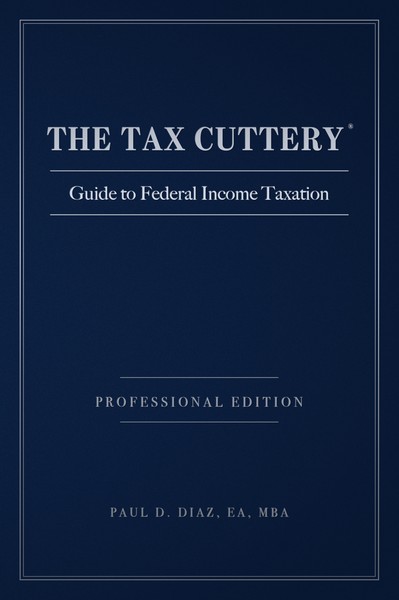
Actual 2D front cover of THE TAX CUTTERY® Guide to Federal Income Taxation, Professional Edition

The Book Behind The Practice

THE TAX CUTTERY® Guide to Federal Income Taxation, Professional Edition

This is the cover of the hardcover casebound 564-page Guide.

Property Decisions Have Long Tails.

The Closing Is A Moment.
The Tax Story Continues.

A great property can still arrive with a poorly considered tax result. A legitimate deduction can still be limited. A sale can create questions the purchase file should already answer.

This collaboration brings real-estate experience and federal tax education into the same room. The Guide supplies the foundation. This index shows you where the property questions connect—and where to ask a better one before the documents are signed.

Florida Roots. National Perspective. Federal Tax Education.

Lake Eola fountain in front of the real downtown Orlando skyline
Orlando · Lake EolaPhoto: JER3L1337 · Source · CC BY 4.0 · Display Crop
Tampa skyline across the water from Ballast Point Park
Tampa · Ballast PointPhoto: Trevorrrrvalent · Source · CC BY 4.0 · Display Crop

Seven Ways Into The Full Picture

Start Where Your Property Is.

The Real Estate + Federal Tax Cross-Index

Find The Question Behind Your Next Move.

53 connected topics, drawn from Chapter 12 and the Guide’s wider treatment of income, entities, investments, family planning and IRS matters. Each starting point leads to the book’s framework and current IRS guidance.

53 Topics In View

Before The First Offer

The tax picture starts before the contract. Read The Focused Guide →

01 · The Property. The Plan. The Tax Code.

Why Does Real Estate Deserve Its Own Tax Plan?

A property connects income, borrowing, deductions, gain and succession. The Guide explains why housing and commercial investment receive specific tax treatment—and why a preference is an opportunity to examine, not a result to assume. Start with the full ownership cycle before choosing a strategy.

In The Guide: §12.1 · §12.2 · §12.3 · §12.3.1 · §12.3.2 · §12.3.3 · §12.3.4 · §12.11
Explore The Full Framework In The Guide ↗
IRS Sources & Related Guidance

IRS Publication 527 · Residential Rental Property ↗
IRS Publication 544 · Dispositions Of Assets ↗

02 · Buy The Property. Understand The Basis.

Why Is My Tax Basis Different From My Down Payment?

Your cash at closing is one number. The property’s tax basis is another. Purchase price, eligible acquisition costs, later improvements and other adjustments shape the eventual deduction and gain calculation. Bring the contract, closing statement and allocation into view before the first return.

In The Guide: §12.10.1 · §2.4.3
Explore The Full Framework In The Guide ↗
IRS Sources & Related Guidance

IRS Publication 551 · Basis Of Assets ↗

03 · The Land And The Building Have Different Jobs.

Can I Depreciate The Entire Purchase Price?

Land generally is not depreciable. A supportable allocation separates it from the building and other eligible assets. The initial allocation follows the property into depreciation and the eventual sale, so this is a recordkeeping decision worth getting right at acquisition.

In The Guide: §12.4.1 · §12.10.1
Explore The Full Framework In The Guide ↗
IRS Sources & Related Guidance

IRS Publication 551 · Basis Of Assets ↗
IRS Publication 946 · Depreciation ↗

04 · A Closing Statement Is A Starting Point.

Are All Closing Costs Immediately Deductible?

No. Acquisition and financing charges can receive different treatment. Some affect basis; others may be deductible or spread over time. Sorting the charges by what they actually purchased gives your books a better foundation than posting the entire settlement statement to one expense account.

In The Guide: §12.10.1 · §3.6
Explore The Full Framework In The Guide ↗
IRS Sources & Related Guidance

IRS Publication 551 · Basis Of Assets ↗
IRS Publication 936 · Home Mortgage Interest ↗

05 · The Loan Has A Purpose. So Does The Deduction.

Is Every Mortgage Interest Payment Deductible?

A mortgage statement alone does not settle the deduction. Personal-residence rules, business or rental use, the use of loan proceeds and applicable limitations all matter. The Guide connects deductions and leverage; the current IRS instructions determine how the rules apply to the particular loan.

In The Guide: §3.4 · §12.4.2
Explore The Full Framework In The Guide ↗
IRS Sources & Related Guidance

IRS Publication 936 · Home Mortgage Interest ↗

06 · Check The Date Before You Buy The Upgrade.

Do Home Energy Improvements Still Qualify For Tax Credits?

Do not rely on an old advertisement or a prior-year credit. The Guide discusses energy incentives and legislative changes. Eligibility depends on the provision, the property, installation or completion dates, and the law for that year. Verify the current rule before including a credit in a project budget.

In The Guide: §4.8 · §4.8.1 · §4.8.2 · §4.8.4
Explore The Full Framework In The Guide ↗
IRS Sources & Related Guidance

IRS · Home Energy Tax Credits ↗

08 · Two Assets. Two Tax Histories.

Can Buying Real Estate With Cryptocurrency Create A Tax Event?

Using a digital asset to acquire real estate can create a disposition of that asset as well as a property acquisition. Keep dollar values, original basis and transaction records for both sides. The Guide’s digital-asset chapter connects this recognition question to the broader property and capital-gain framework.

In The Guide: §24.1
Explore The Full Framework In The Guide ↗
IRS Sources & Related Guidance

IRS · Digital Assets ↗

While You Own It

Connect the building, the borrowing and the books. Read The Focused Guide →

07 · A Property Tax Bill Has A Place In The Tax Picture.

Are Property Taxes Always Fully Deductible?

Personal itemized deductions and expenses of rental or business property follow different rules. The applicable year, property use and any state and local tax limitation matter. The Guide explains the deduction framework; keep assessments and payment records so the classification follows the actual property use.

In The Guide: §3.4.2
Explore The Full Framework In The Guide ↗
IRS Sources & Related Guidance

IRS Topic 503 · Deductible Taxes ↗

09 · Rent Is Revenue. The Details Still Matter.

Where Does Rental Income Fit In My Federal Return?

Rental receipts belong in the larger income picture. Property use, services, ownership and the records behind the payments affect reporting. Use the Guide’s income and real-estate framework to understand the question, then reconcile the leases and books with the applicable rental reporting instructions.

In The Guide: §2.4 · §12.4 · §6.6
Explore The Full Framework In The Guide ↗
IRS Sources & Related Guidance

IRS Topic 414 · Rental Income And Expenses ↗

10 · Maintain It. Improve It. Classify It.

What Is The Difference Between A Repair And An Improvement?

A project can preserve an asset, restore it or change its use. That distinction can affect whether a cost is deducted currently or capitalized. Keep invoices that describe the actual work. A contractor’s label or the size of the check does not, by itself, decide the tax treatment.

In The Guide: §3.6 · §12.4.1 · §12.10.2
Explore The Full Framework In The Guide ↗
IRS Sources & Related Guidance

IRS Publication 527 · Residential Rental Property ↗

11 · Account For The Building Over Time.

How Does Rental Property Depreciation Work?

Depreciation recovers eligible property cost over the applicable tax periods. Asset classification, basis, business use, the placed-in-service date and method matter. It is a calculation connected to the entire ownership record—not a reason to ignore the tax consequences when the property is eventually sold.

In The Guide: §12.4.1 · §12.10.2
Explore The Full Framework In The Guide ↗
IRS Sources & Related Guidance

IRS Publication 946 · Depreciation ↗

12 · Look Inside The Building.

What Does A Cost Segregation Study Change?

A properly supported analysis may identify components with different recovery periods. It does not turn every building dollar into an immediate deduction. The Guide connects depreciation acceleration with ownership planning; the useful conversation includes study quality, eligible assets, loss limitations and the planned exit.

In The Guide: §12.4.1 · §3.7
Explore The Full Framework In The Guide ↗
IRS Sources & Related Guidance

IRS Publication 946 · Depreciation ↗

13 · An Accelerated Deduction Needs An Eligible Asset.

Can Bonus Depreciation Or Section 179 Apply To Real Estate Costs?

These provisions have different eligibility rules and limitations. The building, particular improvements, equipment and separately identified components are not interchangeable. Match the acquisition and service dates to current law before treating a project as immediately deductible. Then test whether other loss limitations affect its use.

In The Guide: §3.7 · §3.7.2 · §12.4.1
Explore The Full Framework In The Guide ↗
IRS Sources & Related Guidance

IRS Publication 946 · Depreciation ↗

14 · The Borrowing And The Asset Belong In One Picture.

How Does Financing Affect A Real Estate Tax Plan?

Interest, cash flow and basis do different work. Borrowing can support an acquisition or change the economics of an existing holding, while deduction limits and the use of proceeds remain relevant. A good financing decision looks beyond this month’s payment and this year’s deduction.

In The Guide: §12.4.2 · §12.10.2
Explore The Full Framework In The Guide ↗
IRS Sources & Related Guidance

IRS Publication 936 · Home Mortgage Interest ↗
IRS Publication 527 · Residential Rental Property ↗

15 · Equity Is Not The Same As Spendable Profit.

Does Cash From A Refinance Automatically Create Taxable Income?

Borrowing generally creates an obligation to repay rather than sale proceeds. That does not make every later use of the money tax-neutral. Interest tracing, debt changes, partnership rules and the eventual disposition still need attention. Bring the refinance and the investment plan into the same conversation.

In The Guide: §12.4.2 · §12.10.2 · §9.3.3
Explore The Full Framework In The Guide ↗
IRS Sources & Related Guidance

IRS Publication 551 · Basis Of Assets ↗
IRS Publication 541 · Partnerships ↗

16 · A Paper Loss Is Not Always A Current Deduction.

Can Rental Losses Offset My Other Income?

Rental losses may be limited even when the expenses are real. Passive activity rules, applicable exceptions, prior suspended losses and your participation matter. The Guide separates the deduction calculation from permission to use the loss against other income. Both questions belong in the file.

In The Guide: §12.4.3 · §3.9
Explore The Full Framework In The Guide ↗
IRS Sources & Related Guidance

IRS Publication 925 · Passive Activity And At-Risk Rules ↗

17 · Follow The Loss Through Every Gate.

Why Might An Investor Be Unable To Deduct A K-1 Loss?

A K-1 is a reporting document, not automatic permission to take every loss. Owner basis, amounts at risk, passive activity rules and other applicable limits can restrict a deduction at different stages. Preserve the history of contributions, distributions, debt and suspended amounts.

In The Guide: §3.9 · §9.3.3 · §12.4.3
Explore The Full Framework In The Guide ↗
IRS Sources & Related Guidance

IRS Publication 925 · Passive Activity And At-Risk Rules ↗
IRS Publication 541 · Partnerships ↗

18 · The License And The Tax Tests Are Different.

Does A Real Estate License Make Me A Real Estate Professional For Tax Purposes?

No. The federal tax tests concern qualifying services and time for the particular year. Holding a state license is not enough. Even after qualifying, material participation and any relevant elections must be examined. Credible activity records matter more than a label on a business card.

In The Guide: §12.4.4
Explore The Full Framework In The Guide ↗
IRS Sources & Related Guidance

IRS Publication 925 · Passive Activity And At-Risk Rules ↗

19 · Participation Is Something You Establish.

Is Real Estate Professional Status Enough To Deduct Every Rental Loss?

Not by itself. The activity and participation analysis remains important. The Guide connects professional status with the rules that govern rental losses. Identify the activities, who performed the work, the relevant elections and the records that can substantiate the conclusion.

In The Guide: §12.4.3 · §12.4.4
Explore The Full Framework In The Guide ↗
IRS Sources & Related Guidance

IRS Publication 925 · Passive Activity And At-Risk Rules ↗

20 · Look Past The Rent Check.

Can Rental Real Estate Qualify For The QBI Deduction?

Potentially, subject to the applicable trade-or-business requirements, any relevant safe harbor and owner-level limitations. Rental ownership alone does not settle eligibility. The Guide places Section 199A alongside depreciation and passive loss rules so the deductions are evaluated together rather than promised separately.

In The Guide: §12.4.5 · §3.8.1
Explore The Full Framework In The Guide ↗
IRS Sources & Related Guidance

IRS · Qualified Business Income Instructions ↗

The People Behind The Property

The deed, the entity and the tax return tell connected stories. Read The Focused Guide →

21 · An LLC Is A Structure. It Is Not A Tax Result.

Does Putting A Rental In An LLC Automatically Save Taxes?

No. Legal ownership and federal tax classification are separate questions. Member count, elections, financing, the intended transaction and the owner’s circumstances change the analysis. Coordinate legal protection with the tax plan before transferring title or assuming a new entity solves the whole problem.

In The Guide: §12.9.1 · §9.1 · §9.3
Explore The Full Framework In The Guide ↗
IRS Sources & Related Guidance

IRS Publication 541 · Partnerships ↗

22 · Know What You Own Together.

What Tax Questions Belong In A Real Estate Partnership Or Syndication?

Contributions, debt, allocations, distributions and the operating agreement shape the tax picture. A syndicator and a passive investor may be looking at different parts of the same deal. Read the economics and tax provisions together; the return should follow a supported arrangement, not invent one afterward.

In The Guide: §9.3 · §9.3.2 · §9.3.3 · §12.9.1
Explore The Full Framework In The Guide ↗
IRS Sources & Related Guidance

IRS Publication 541 · Partnerships ↗

23 · Capital Accounts And Tax Basis Are Not Twins.

Is My K-1 Capital Account The Same As My Outside Basis?

Not necessarily. The Guide’s partnership framework distinguishes the entity’s reporting from the owner’s continuing tax history. Contributions, allocated results, distributions and changes in liabilities can matter. Keep a separate, supported basis record instead of treating one box on the K-1 as the entire calculation.

In The Guide: §9.3.3
Explore The Full Framework In The Guide ↗
IRS Sources & Related Guidance

IRS Publication 541 · Partnerships ↗

24 · Organize The Portfolio Without Losing The Plot.

Why Use Separate Property Entities Or A Holding Structure?

Separate entities can organize ownership and risk, but every layer brings documents, costs and tax questions. The Guide examines holding structures alongside acquisition, financing and succession. The right structure starts with the properties and people involved—not a diagram copied from someone else’s portfolio.

In The Guide: §12.9.3 · §12.10.4
Explore The Full Framework In The Guide ↗
IRS Sources & Related Guidance

IRS Publication 541 · Partnerships ↗

25 · The Promote Has A Tax Story Too.

How Should A Sponsor Think About A Profits Interest Or Promote?

The compensation arrangement, the interest granted and the rights attached to it deserve review before execution. The Guide discusses equity compensation and profits interests; partnership tax rules supply the broader framework. A negotiated economic split is the beginning of the analysis, not the tax conclusion.

In The Guide: §10.2 · §9.3.2
Explore The Full Framework In The Guide ↗
IRS Sources & Related Guidance

IRS Publication 541 · Partnerships ↗

26 · Property Exposure Can Arrive Through A Distribution.

How Are REIT Interests Different From Direct Property Ownership?

A REIT investment is not a deed to an individual rental property. Entity-level requirements and the character of distributions create a different reporting picture. The Guide introduces the structure and its place in real-estate ownership. Use the actual tax documents and current rules to evaluate each distribution.

In The Guide: §12.9.4
Explore The Full Framework In The Guide ↗
IRS Sources & Related Guidance

IRS · Qualified Business Income Instructions ↗
27 · Keep The Taxpayer In The Transaction.

Can An Entity Change Complicate A 1031 Exchange?

Yes. Who disposes of the old property and who acquires the replacement is central to the exchange analysis. Partnership interests and direct real-property interests are not interchangeable. Discuss a planned title or entity change before signing documents that could change the intended tax treatment.

In The Guide: §12.9.2
Explore The Full Framework In The Guide ↗
IRS Sources & Related Guidance

IRS · Like-Kind Exchanges ↗

When You Sell Or Exchange

The closing statement is not the tax calculation. Read The Focused Guide →

28 · Sell With The Next Move In View.

What Does A Section 1031 Exchange Actually Do?

A qualifying exchange can defer recognition of gain on eligible business or investment real property. It is not a general exemption for any sale followed by a purchase. Property use, taxpayer identity, transaction structure and timing all matter. Plan the exchange before receiving the proceeds.

In The Guide: §12.5 · §12.5.1
Explore The Full Framework In The Guide ↗
IRS Sources & Related Guidance

IRS · Like-Kind Exchanges ↗

29 · The Clock Does Not Negotiate.

Why Bring In A Qualified Intermediary Before Closing?

A deferred exchange has specific procedural and timing requirements. Receiving or controlling the money can change the result. The Guide explains the intermediary structure and identification and completion windows. Assemble the tax, legal and exchange team early enough to design the transaction before the closing happens.

In The Guide: §12.5.2
Explore The Full Framework In The Guide ↗
IRS Sources & Related Guidance

IRS · Like-Kind Exchanges ↗

30 · Deferred Does Not Always Mean All Deferred.

Can A 1031 Exchange Still Produce Taxable Gain?

Yes. Cash, other nonqualifying property or debt-related differences can produce recognized gain, depending on the transaction. The Guide’s boot discussion connects the settlement economics with the recognition rules. Model the actual numbers rather than assuming that calling a transaction an exchange postpones every dollar.

In The Guide: §12.5.3
Explore The Full Framework In The Guide ↗
IRS Sources & Related Guidance

IRS · Like-Kind Exchanges ↗
IRS Publication 544 · Dispositions Of Assets ↗

31 · Your Next Basis Carries A History.

What Should An Investor Track Through Repeated Exchanges?

A series of qualifying exchanges can carry deferred gain forward, but the replacement property does not start without tax history. Keep exchange documents, basis calculations and depreciation records through the chain. Those records matter for the next transaction and for the people who eventually inherit the file.

In The Guide: §12.5.4 · §12.5.5
Explore The Full Framework In The Guide ↗
IRS Sources & Related Guidance

IRS Publication 551 · Basis Of Assets ↗

32 · A Payment Schedule Can Change The Tax Calendar.

Can Seller Financing Spread The Recognition Of Gain?

An eligible installment sale may spread qualifying gain as payments arrive. Interest, basis recovery, exclusions and special rules still need separate treatment. The Guide explains the mechanics and planning uses so a seller can compare cash flow and tax timing before agreeing to the note.

In The Guide: §5.8 · §12.6 · §12.6.1 · §12.6.2
Explore The Full Framework In The Guide ↗
IRS Sources & Related Guidance

IRS Publication 537 · Installment Sales ↗

33 · The Deduction Has An Exit Story.

Does Selling In Installments Defer All Depreciation-Related Gain?

No. Certain recapture is recognized in the year of sale; other depreciation-related gain has its own treatment. The Guide separates those rules from the general installment calculation. A sale plan should use the property’s actual depreciation history, not just its original purchase price.

In The Guide: §12.6.3 · §13.1.3
Explore The Full Framework In The Guide ↗
IRS Sources & Related Guidance

IRS Publication 537 · Installment Sales ↗
IRS Publication 544 · Dispositions Of Assets ↗

34 · The Sale Price Is Not The Gain.

Is Every Real Estate Sale Taxed As A Long-Term Capital Gain?

No. Basis, holding period and the property’s use determine the starting point. Investment property, business property and property held for sale can receive different treatment. The Guide connects character and timing with the real estate decision so the tax calculation follows the facts.

In The Guide: §2.4.3 · §13.1.1 · §13.1.3 · §13.1.4
Explore The Full Framework In The Guide ↗
IRS Sources & Related Guidance

IRS Publication 544 · Dispositions Of Assets ↗

35 · A Flip And A Long-Term Holding Tell Different Stories.

Why Does Dealer Versus Investor Status Matter?

Property held primarily for sale to customers can be treated differently from a long-term investment. The facts of the business and the particular holding matter. A label chosen after the sale does not settle character. Build the records around what you actually intended and did.

In The Guide: §13.1.3 · §3.6
Explore The Full Framework In The Guide ↗
IRS Sources & Related Guidance

IRS Publication 544 · Dispositions Of Assets ↗

36 · Look At The Whole Rate Picture.

Can A Property Sale Or Rental Income Trigger NIIT?

Net investment income tax may add another layer, depending on the income, participation and applicable thresholds. A headline capital-gain rate is not the complete calculation. The Guide examines how timing, income character and the household picture can interact with this additional tax.

In The Guide: §13.3 · §13.3.2 · §13.3.4 · §13.5
Explore The Full Framework In The Guide ↗
IRS Sources & Related Guidance

IRS · Net Investment Income Tax ↗

37 · A Location Is Not An Investment Thesis.

What Needs Review Before An Opportunity Zone Investment?

Eligibility, the gain being reinvested, fund requirements, holding periods and the applicable statutory regime all matter. The Guide covers the framework and legislative changes. Review the rules for the actual investment year and the underlying business merits; a tax incentive does not make a weak investment strong.

In The Guide: §12.7 · §12.7.1 · §12.7.2 · §12.7.3 · §12.7.4
Explore The Full Framework In The Guide ↗
IRS Sources & Related Guidance

IRS · Opportunity Zones ↗

38 · Your Home Sale Deserves Its Own Calculation.

Can I Exclude The Gain When I Sell My Main Home?

Possibly, if the applicable ownership, use and other requirements are met. Exceptions and limitations can change the result. The Guide explains the principal-residence framework; the useful next step is a timeline of ownership, occupancy, improvements and any business or rental use.

In The Guide: §12.8 · §12.8.1
Explore The Full Framework In The Guide ↗
IRS Sources & Related Guidance

IRS Publication 523 · Selling Your Home ↗

39 · The Property Remembers Its Earlier Life.

Can I Move Into A Rental And Make All The Gain Tax-Free?

Not automatically. Converting between rental and personal use raises questions about basis, depreciation, nonqualified use and the residence exclusion. The Guide treats the conversion as a planning decision with history attached. Keep the dates and depreciation record before deciding when to move or sell.

In The Guide: §12.8.2
Explore The Full Framework In The Guide ↗
IRS Sources & Related Guidance

IRS Publication 523 · Selling Your Home ↗

Beyond Your Holding Period

A property can outlive its first owner. Plan accordingly. Read The Focused Guide →

40 · A Gift Transfers A Tax History Too.

What Should I Consider Before Giving Property To Family?

A deed transfer can create reporting, valuation and future income-tax consequences. Gifted property often carries the donor’s basis history, subject to special rules. The Guide connects generosity with family planning. Coordinate the tax work, legal documents and valuation before the transfer is final.

In The Guide: §2.5.2 · §14.2 · §14.2.2 · §14.2.3
Explore The Full Framework In The Guide ↗
IRS Sources & Related Guidance

IRS · Gift Tax ↗
IRS Publication 551 · Basis Of Assets ↗

41 · Think Beyond The Next Closing.

What Happens To Basis When Real Estate Is Inherited?

Qualifying property acquired from a decedent generally receives a basis adjustment under Section 1014. The adjustment can be upward or downward; exceptions and ownership facts matter. The Guide connects that rule with lifetime holding and exchange decisions. Preserve valuations and estate records for the next owner.

In The Guide: §12.5.5 · §12.10.4 · §15.2 · §15.2.1
Explore The Full Framework In The Guide ↗
IRS Sources & Related Guidance

IRS Publication 551 · Basis Of Assets ↗

42 · The Estate And Its Income Are Different Questions.

How Do Estate And Trust Returns Connect To Real Estate?

Property at death can raise transfer-tax, basis and continuing income-reporting questions. Those are related but distinct obligations. The Guide puts estate planning into the income-tax picture. Identify the owner, fiduciary, beneficiaries and intended disposition before deciding which filings and professional engagements are needed.

In The Guide: §12.10.4 · §15.3 · §15.6
Explore The Full Framework In The Guide ↗
IRS Sources & Related Guidance

IRS · Estate Tax ↗

43 · Build A Legacy With The Full Cost In View.

Can Donating Appreciated Real Estate Fit A Tax Plan?

A charitable transfer can connect a philanthropic goal with tax planning. Qualification, valuation, deduction limits and transaction structure need review; not every gift produces the same benefit. The Guide examines appreciated property and charitable vehicles. Start with the intended impact, then evaluate the actual asset and recipient.

In The Guide: §15.4 · §15.4.1 · §15.4.2 · §15.4.4 · §15.4.5 · §15.6.2 · §15.6.3
Explore The Full Framework In The Guide ↗
IRS Sources & Related Guidance

IRS Publication 526 · Charitable Contributions ↗

For The Real Estate Professional

Build the business behind the commissions. Read The Focused Guide →

44 · Build The Business Behind The Commission.

What Tax Questions Should A Real Estate Licensee Plan For?

Commission income, business expenses, tax classification and payment timing belong in the same business plan. A strong closing month can create a cash-flow problem if tax is an afterthought. The Guide connects income, deductions and the professional’s wider household picture.

In The Guide: §2.4.1 · §3.6 · §6.1 · §9.1
Explore The Full Framework In The Guide ↗
IRS Sources & Related Guidance

IRS · Self-Employed Tax Center ↗

45 · A Business Expense Needs A Business Story.

Can I Deduct Marketing, Software And Other Practice Costs?

Ordinary and necessary business costs may be deductible when the requirements are met. Keep the amount, purpose and supporting documents. Personal spending and capital costs need separate analysis. The Guide’s deduction and substantiation chapters help turn a stack of charges into a defensible business record.

In The Guide: §3.6 · §3.10 · §6.6 · §20.3
Explore The Full Framework In The Guide ↗
IRS Sources & Related Guidance

IRS · Recordkeeping ↗

46 · Track The Business Use. Keep The Evidence.

How Should A Licensee Approach Vehicle And Home-Office Deductions?

These deductions have their own eligibility and substantiation rules. Commuting, personal use, business travel and a qualifying workspace are different facts. The Guide explains why documentation matters. Keep contemporaneous records and review the particular deduction instead of treating every mile or spare room as business use.

In The Guide: §3.6 · §3.10 · §6.6 · §20.1
Explore The Full Framework In The Guide ↗
IRS Sources & Related Guidance

IRS Publication 463 · Travel, Gift And Car Expenses ↗
IRS Publication 587 · Business Use Of Your Home ↗

47 · Pay Yourself With The Structure In View.

Do Payroll And Expense Reimbursements Matter In A Brokerage Business?

Compensation and reimbursements depend on the entity and the working arrangement. The Guide compares wages, pass-through income and accountable plans. Match the paperwork to the actual ownership and services before using a payroll or reimbursement approach copied from another business.

In The Guide: §9.3 · §10.3 · §10.14
Explore The Full Framework In The Guide ↗
IRS Sources & Related Guidance

IRS · Self-Employed Tax Center ↗

48 · Turn A Strong Business Into A Longer Plan.

Can A Self-Employed Real Estate Professional Plan For Retirement?

Yes. The available arrangement depends on the business, eligible workers, earnings and the rules of the chosen plan. The Guide connects compensation and retirement planning. The right tax conversation starts with the whole practice and family, not a contribution limit quoted without context.

In The Guide: §10.1 · Chapter 11
Explore The Full Framework In The Guide ↗
IRS Sources & Related Guidance

IRS Publication 560 · Retirement Plans For Small Business ↗

When The IRS Enters The Picture

Good records are part of owning well. Read The Focused Guide →

49 · Keep A File That Can Tell The Whole Story.

Which Records Should Follow A Property From Purchase To Sale?

Contracts, closing statements, basis allocations, improvement invoices, depreciation schedules, leases and prior filings connect the ownership history. The Guide’s substantiation framework explains why the file matters. Organize it while the facts are available, rather than reconstructing years of decisions after an IRS question arrives.

In The Guide: §6.6 · §12.10.1 · §12.10.2 · §12.10.3 · §18.5 · §20.3
Explore The Full Framework In The Guide ↗
IRS Sources & Related Guidance

IRS · Recordkeeping ↗

50 · A Notice Deserves A Records Check.

What If The IRS Questions My Real Estate Reporting?

Read the notice, identify the year and issue, and follow the stated response date. The Guide explains examination and penalty procedures as well as the underlying tax rules. A factual, supported response starts with the actual filed return and the records behind the property transaction.

Explore The Full Framework In The Guide ↗
IRS Sources & Related Guidance

IRS · Audits ↗

51 · A Lien Can Reach The Closing Table.

How Can A Federal Tax Lien Affect A Property Transaction?

A federal tax lien and a levy are different enforcement tools. A proposed sale or refinance may require specific lien-related work. The Guide explains the collection framework. Tell the firm about the planned closing early; obtaining the right relief requires its own facts and process.

In The Guide: §21.5 · §21.5.1 · §21.5.3 · §21.9
Explore The Full Framework In The Guide ↗
IRS Sources & Related Guidance

IRS · Understanding A Federal Tax Lien ↗

52 · Losing The Property May Not End The Tax Questions.

Can Canceled Property Debt Create Taxable Income?

Canceled debt and the disposition of property can create separate tax questions. Debt terms, exclusions and basis adjustments may matter. The Guide introduces discharge-of-indebtedness income and collection concerns; the current IRS foreclosure and canceled-debt guidance is essential for the particular transaction.

In The Guide: §2.4 · §21.5
Explore The Full Framework In The Guide ↗
IRS Sources & Related Guidance

IRS Publication 4681 · Canceled Debts And Foreclosures ↗

53 · When The Exit Was Not Your Choice.

Can Destruction Or Condemnation Raise A Tax-Deferral Question?

A casualty, taking or similar event can create gain as well as loss questions. Section 1033 may permit deferral when its requirements are met. The Guide places involuntary conversions in the recognition framework. Preserve insurance, award and replacement records before deciding how to report the event.

In The Guide: Chapter 5
Explore The Full Framework In The Guide ↗
IRS Sources & Related Guidance

IRS Publication 544 · Dispositions Of Assets ↗

Guide references identify the discussion to explore, not a conclusion about your eligibility. The book is a foundation; current law, the applicable tax year and your facts govern. Topic coverage checked against the 564-page Professional Edition and linked IRS sources on October 18, 2026.

COMING SOON · IN DEVELOPMENT

The Property Deserves
Its Own Companion.

A real estate companion to THE TAX CUTTERY® Guide to Federal Income Taxation is planned: a focused way to connect the book’s framework to the life of a property and the business behind it.

Begin with the Guide today. The companion will be a separate future publication, with its release and terms announced when ready.

Start With The Guide ↗

Not published or available to order. No companion is included or promised with a current book purchase.

The Direction Of The Future Companion

The AcquisitionStart With The Right Questions
The Holding YearsConnect The Books To The Property
The ExitUnderstand The Consequences
The Next GenerationKeep The History With The Asset

A focused companion to the broader Guide. Built for real estate, with the same attention to the full tax picture.

The Property Side. The Tax Side. One Instructor.

Learn From Someone
Who Works Both Sides
Of The Question.

Paul brings real-estate practice and federal taxation into the same conversation. The objective is practical: recognize the tax issue before it becomes a surprise, know which records matter, and understand when a decision deserves a closer look.

A real-estate tax class for licensees is planned, using this cross-index as its foundation. Course dates, registration and any applicable continuing-education approval will be announced separately.

Meet Paul Diaz →
Paul D. Diaz, EA, MBA

Strategic Tax Advisor To The Real Estate Industry

  • IRS Enrolled Agent, Admitted to Practice Before the Internal Revenue Service
  • FREC Licensed Real Estate Instructor
  • Florida Licensed Real Estate Broker Since 1995
  • Author of THE TAX CUTTERY® Guide to Federal Income Taxation, Professional Edition

The planned class is not currently offered for registration. No continuing-education credit or course approval is represented on this page.

I-4 Corridor Real Estate Services LLC and THE TAX CUTTERY LLC are distinct companies collaborating on education. An accepted engagement identifies the actual provider and agreed services.

Actual front cover of THE TAX CUTTERY® Guide to Federal Income Taxation, Professional Edition
The hardcover casebound 564-page Guide. Actual 2D cover.

Save Smarter. Prepare Accurately. Defend Better.

The Property Is One Chapter.
Your Tax Life Is The Whole Book.

THE TAX CUTTERY® Guide to Federal Income Taxation, Professional Edition connects compliance, planning and resolution. Use the real-estate chapter alongside the sections on entities, capital gains, family wealth and dealing with the IRS.

Build the understanding you can return to before the next purchase, sale, refinance or family decision.

$299 hardcover. Shipping and applicable taxes are shown at checkout. Already own it? Register Your Copy →

Before You Take The Next Step

Real Questions. Clear Starting Points.

Who Is This Real Estate Tax Resource For?

Real estate licensees, investors, syndicators and landlords. It connects the Guide’s real-estate framework with the business, family and IRS questions that surround a property.

Is This A Joint Effort Between Two Companies?

Yes. I-4 Corridor Real Estate Services LLC and THE TAX CUTTERY LLC bring real-estate and federal-tax education together here. The companies remain distinct; any accepted professional engagement identifies the provider, scope and fee.

Does A Real Estate License Establish IRS Real Estate Professional Status?

No. State licensing and the annual federal tax tests are different. Qualifying services and time, material participation, relevant elections and supporting records must be examined.

Is The Real Estate Companion Available Now?

No. A real estate companion to THE TAX CUTTERY Guide to Federal Income Taxation is planned. It is not published, included with a current purchase or available to order. Begin with the existing Professional Edition.

Is The Planned Class Approved For Continuing-Education Credit?

No course-credit approval is represented here. A future real-estate tax class is planned. Dates, registration, course details and any applicable credit approval will be announced separately.

Who Will Teach The Planned Real Estate Tax Class?

Paul D. Diaz, EA, MBA: IRS Enrolled Agent, FREC Licensed Real Estate Instructor and Florida Licensed Real Estate Broker since 1995. His focus here is connecting property decisions with federal tax education.

Do I Need The Book Before Starting The Free Consultation?

No. The free initial tax consultation is open without a purchase. Book ownership is optional for tax return preparation and required for Tax Advisory conversations and written answers. Paid services are separately scoped.

Is The Free Consultation A Live Appointment?

No. It is an online, self-guided initial consultation that collects your concerns and the life and business changes behind your tax organizer. A live appointment is a separate step when appropriate.

Does The Website Recommend A Syndication, Fund Or Property Investment?

No. These materials explain tax questions and planning frameworks. They do not offer a property, security or fund, recommend an investment, or promise a tax result.

Where Should I Start If I Have A Property Transaction Coming Up?

Start the free initial tax consultation and describe the transaction, ownership, dates and concern. Do not send private records through a public message. The firm’s secure intake is used to collect supporting documents and define any professional work.

Own The Reference. Put The Decision In Context.

Before The Next Signature,
Ask The Better Question.

The free consultation is online and self-guided. No purchase is required to begin.
The Guide is optional for return preparation and required for Tax Advisory. Professional services are scoped separately.